Archaeological remains
In Garðabær, hundreds of archaeological remains have been recorded that tell the history of the settlement since the time of settlement. The monuments are located throughout the town, including in Álftanes and in Heiðmörk.
Registration of archaeological remains in Garðabær
Archaeological remains in Garðabær have been recorded since 1984, but frequent archaeological finds show that the relatively young municipality stands on old foundations. Today, there is a good overview of most of the archaeological remains in the town, and further recording is underway at Álftanes.
The database is the result of two years of work by archaeologist Ragnheiður Traustadóttir. It contains information that is useful to both residents and those working on the town's planning. It shows the exact location of archaeological remains and provides an overview of the monuments in the surrounding area.
A total of about 600 archaeological remains have been recorded in Garðabær. A similar number of archaeological remains have also been recorded in Álftanes, which have not been mapped.
View archaeological remains on the map website
On Gardabaer map website you can see where archaeological remains are located and what kind of relics they are. You must choose Practical information in the menu on the right and check Archaeological remains.
Archaeological remains at Hofsstaðir and Urriðakot
Two main areas where archaeological remains have been studied in Garðabær are Hofsstaðir near Kirkjulund and Urriðakot south of Urriðaholt. There, rich relics have been found that show how people lived and prospered in ancient times.
Monuments in Garðahverfi and elsewhere in Garðabær
In the Garðahverfi district of Álftanes, there are many archaeological remains that form a coherent and rare cultural landscape. There and in Gálgahraun, more than 250 archaeological remains have been recorded.
The monuments bear witness to fishing, farming, transportation, religious life and education in earlier times. The area contains ancient paths, gardens, wells, farm mounds and other monuments that give a good picture of the lives of people in the area.
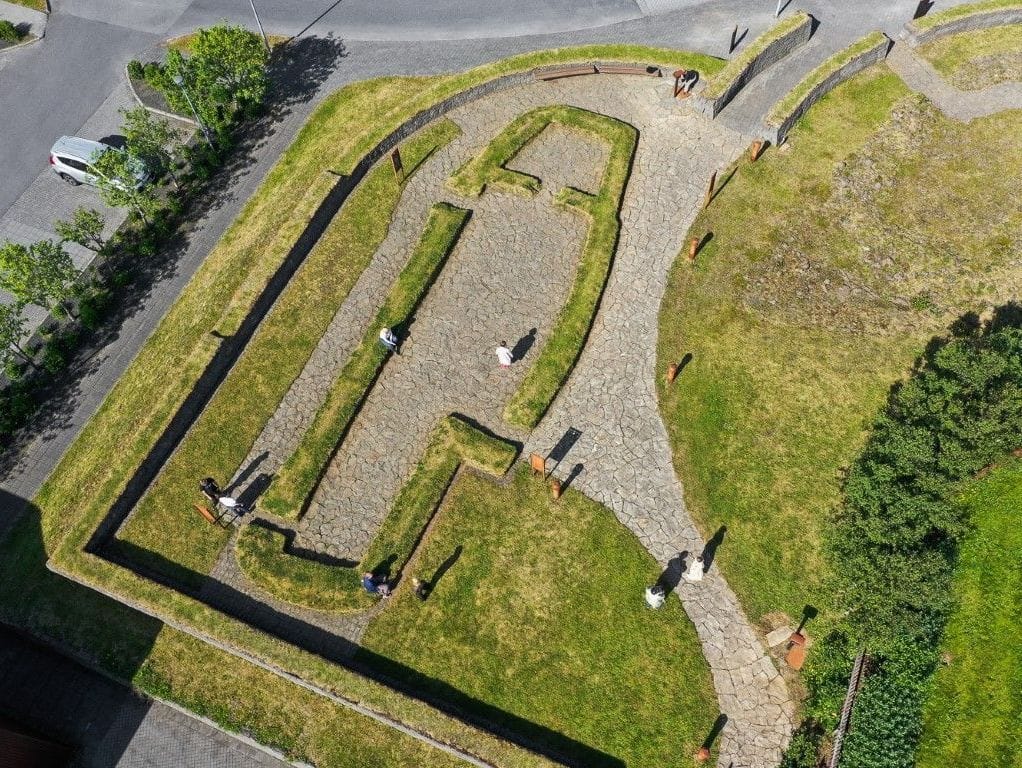
Hausastaðar in the Garðahverfi district was home to Hausastaðarskóli, a boarding school built in 1759. It was the first boarding school in Iceland specifically intended for the children of the common people. The ruins of the school are still visible.
Other ancient monuments
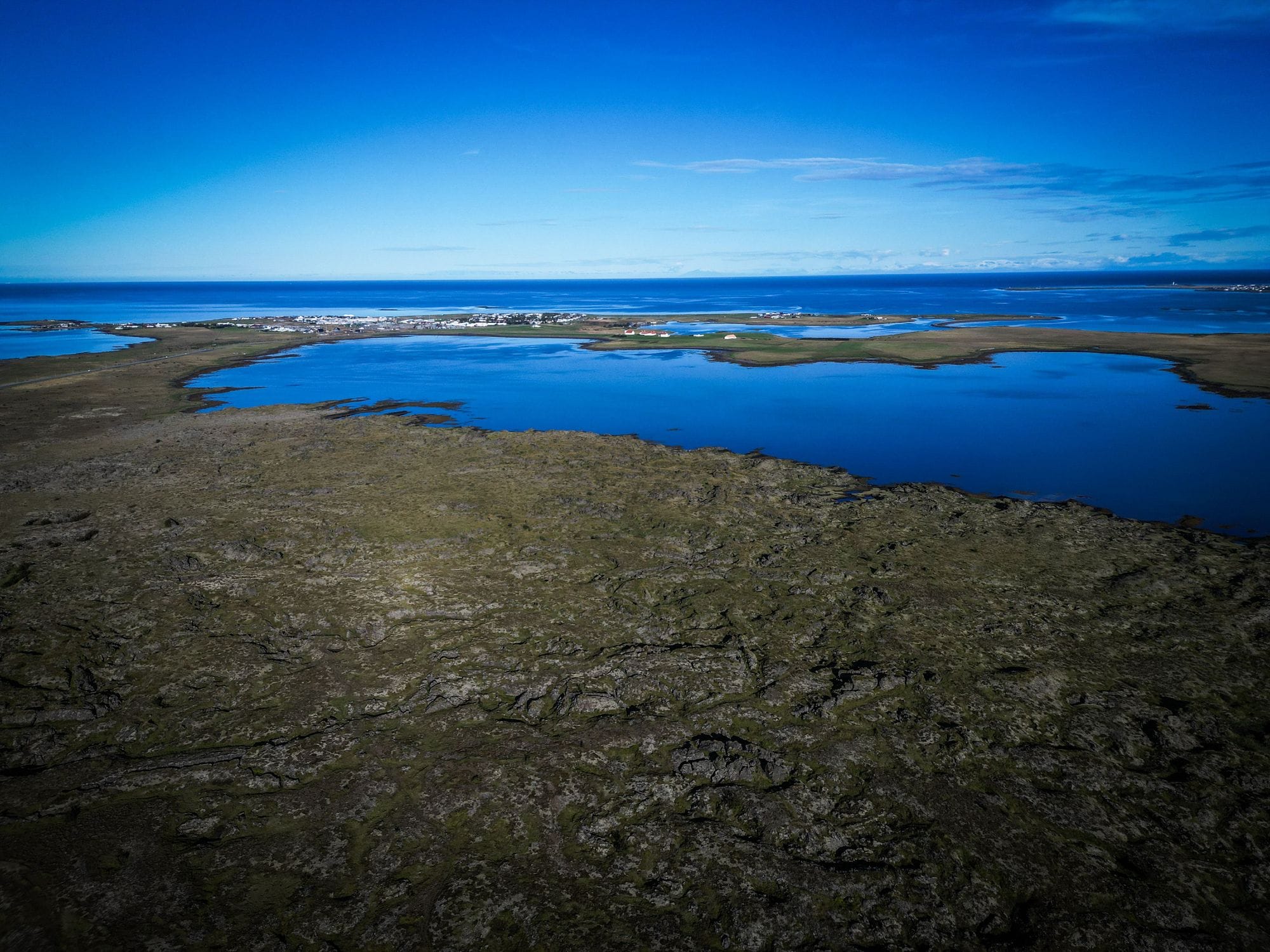
Ancient relics can also be found in many other places in Garðabær. These include old paths, such as the Fógetastígurinn in Gálgahraun, seal trails between towns, and a traditional route through Heiðmörk and across to Kópavogur.
In Heiðmörk you can find wells, watchtowers and sheepfolds, as well as ruins of sels, sheepfolds and coal pits. In Arnarnes is Gvendarbrunnur.
Gjárétt was a mountain pass at the western end of Búrfellsgjá and was built in 1840. In Selgjá there are protected seals with a large number of ancient burial mounds. At Vífilsstaðir there are also remains of old seals and other residential remains.
Younger relics
Not all monuments in Garðabær are considered archaeological remains in the legal sense. According to the law, monuments must be 100 years old or older to be considered archaeological remains.
However, more recent monuments are also part of the town's history. These include remnants from World War II in Garðahverfi and Urriðakot, Alfred Wegener's land reclamation pile on Arnarneshæð from 1930, and lava embankments down from Flötanur, also known as Atvinnubótavegur, which were built in connection with construction in the early 20th century.